Why Visit Stone Machinery Exhibitions
Mar 11, 2026
In the global stone processing industry, technology changes quickly. New cutting tools, automation systems, and intelligent CNC equipment are introduced every year. For buyers, fabricators, and distributors, visiting stone machinery exhibitions is one of the most efficient ways to understand market trends and evaluate suppliers.
Unlike browsing catalogs online, exhibitions provide a real working environment where machines operate continuously, materials are processed on site, and technical engineers explain solutions face to face. This direct experience helps buyers make more confident investment decisions.
Below are several practical reasons why visiting stone machinery exhibitions is valuable for stone factories, distributors, and investors.
1. See Machines Running in Real Production Conditions
One of the biggest advantages of exhibitions is that you can see machines working in real time.
For example, at many stone exhibitions, manufacturers demonstrate:
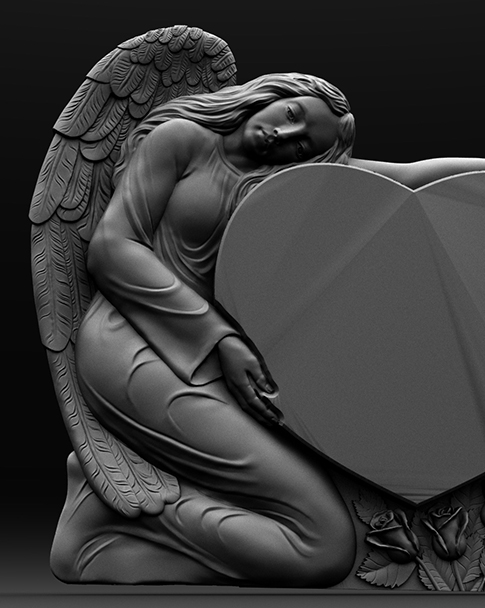
5 Axis Stone CNC Machines carving complex sculptures from marble blocks
Bridge Cutting Machines performing automatic slab cutting
Stone Engraving Machines producing detailed tombstone lettering
Edge Polishing Machines finishing granite countertops
Instead of simply reading specifications, buyers can observe:
Cutting speed on different materials
Surface finishing quality
Machine stability during continuous operation
Tool path accuracy during complex carving
For instance, during a live demonstration, a high-quality 5 axis stone CNC machine can carve a marble statue for several hours while maintaining ±0.02 mm positioning accuracy. This type of real demonstration provides technical evidence that online brochures cannot fully convey.
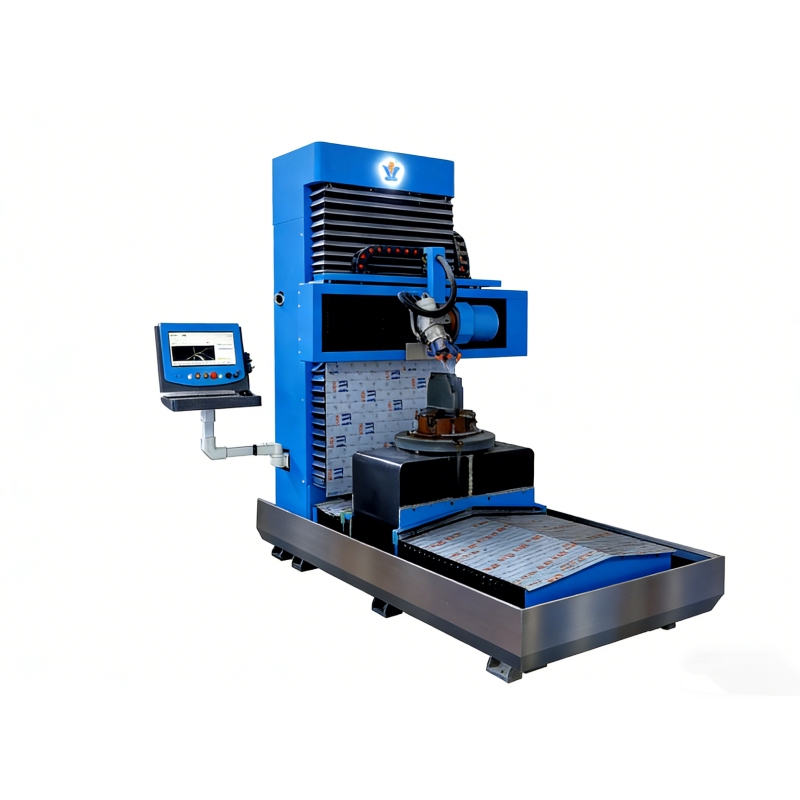
Pic1. Dual five-axis machining center (one saw and one carving)
2. Compare Different Stone Machines Side by Side
Most buyers compare multiple suppliers before purchasing equipment. Exhibitions make this process much easier because several manufacturers display machines in the same venue.
Example Comparison: 3 Axis vs 5 Axis Stone CNC Machines
Feature
3 Axis CNC
5 Axis CNC
Movement
X Y Z
X Y Z + A B
Application
Flat engraving, simple relief
Complex 3D sculptures
Programming complexity
Lower
Higher
Suitable industry
Tombstones, simple decorations
Large sculptures, artistic carving
If your factory mainly produces granite memorial stones, a 3 axis engraving machine may be sufficient. However, if you plan to produce large 3D stone sculptures, a 5 axis CNC machine provides much greater flexibility.
By visiting exhibitions, buyers can directly compare:
Machine structure and rigidity
Control systems and software interface
Tool change mechanisms
Price ranges and service support
This side-by-side comparison helps buyers choose the most cost-effective solution instead of relying solely on marketing claims.
3. Discover the Latest Stone Processing Technologies
Exhibitions are often the first place where manufacturers introduce new technologies.
Some innovations that frequently appear at stone machinery exhibitions include:
Automatic Tool Changers for CNC engraving machines
Robot Arm Stone Carving Systems for large sculptures
Intelligent Nesting Software for slab cutting optimization
AI-assisted engraving software for portrait carving on tombstones
Dust control and water recycling systems for environmentally friendly production
For example, modern robotic stone carving machines can work continuously for 24 hours, producing complex sculptures that would normally require weeks of manual work. Such technology significantly improves productivity for sculpture workshops.
By visiting exhibitions, buyers can understand future industry trends and plan equipment upgrades before competitors.
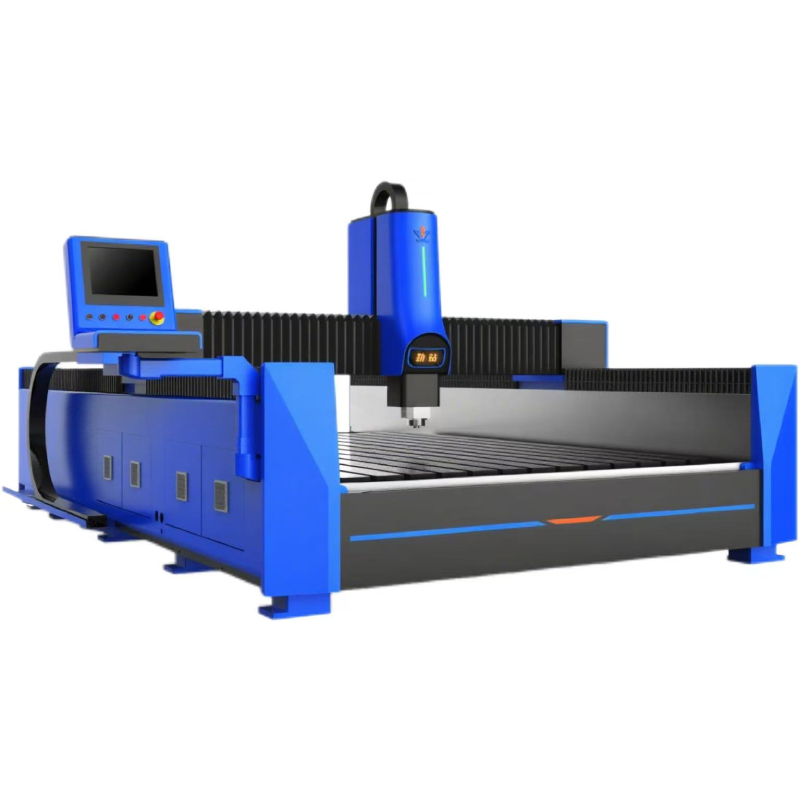
Pic2. seven-axis robotic
4. Communicate Directly With Technical Engineers
Online communication often focuses on price and basic specifications. However, technical details are easier to discuss face to face.
At exhibitions, buyers can talk directly with:
Mechanical engineers
Software developers
Application specialists
This allows deeper discussions about topics such as:
How to optimize cutting parameters for granite vs marble
Which spindle power is suitable for deep relief carving
How to maintain machine accuracy during long production cycles
What spare parts should be stocked for overseas factories
For example, a factory producing tombstones may ask engineers how to improve portrait engraving clarity on black granite. Engineers can demonstrate the correct impact engraving settings, needle frequency, and grayscale processing directly at the booth.
This type of professional consultation helps buyers avoid costly mistakes.
Pic3. Machine Spindle
5. Evaluate Supplier Reliability and Manufacturing Experience
Choosing a stone machinery supplier is not only about machine specifications. Buyers must also evaluate supplier credibility, technical capability, and after-sales service.
Exhibitions allow buyers to observe:
Company history and brand reputation
Number of machines displayed
Professionalism of the engineering team
Customer case studies from different countries
A supplier that can confidently demonstrate machines running continuously at exhibitions usually has strong manufacturing experience and stable equipment performance.
Buyers can also request:
Customer references
Factory visit arrangements
Live video of machines operating in real stone factories
This process increases trust and transparency between buyers and suppliers.
Frequently Asked Questions About Stone Machinery Exhibitions
1. Are stone machinery exhibitions useful for small stone factories?
Yes. Even small factories benefit from exhibitions because they can discover automation solutions that reduce labor costs. For example, a small workshop producing tombstones may replace manual engraving with a CNC stone engraving machine, improving both efficiency and engraving consistency.
2. How can buyers evaluate machine quality during an exhibition?
Buyers should pay attention to several factors:
Machine frame thickness and welding quality
Spindle brand and power rating
Motion system such as linear guides and ball screws
Demonstration results on real stone materials
If possible, request the machine to perform continuous engraving or cutting for 30–60 minutes to observe stability.
3. Should buyers still visit the factory after the exhibition?
Yes. Exhibitions are ideal for initial evaluation, but factory visits provide deeper insights.
During a factory visit, buyers can check:
Production workshops
Quality control processes
Assembly procedures
Real customer machines ready for shipment
This combination of exhibition meeting + factory visit greatly reduces purchasing risk.
4. Which stone machinery exhibitions are worth visiting?
Some well-known exhibitions in the global stone industry include:
China Xiamen International Stone Fair
Marmomac Italy
Middle East Stone Exhibition
These events usually showcase the latest stone processing technologies and machinery innovations.
Conclusion
Stone machinery exhibitions are more than simple trade shows. They are important platforms for technology exchange, supplier evaluation, and market trend analysis.
By visiting exhibitions, buyers can:
Observe machines running in real production conditions
Compare different technologies and suppliers
Discover new automation solutions
Communicate directly with engineers
Build reliable long-term partnerships
For companies involved in stone processing, sculpture production, or monument manufacturing, regularly attending exhibitions is one of the most effective ways to stay competitive in the global market.
Read More









 IPv6 network supported