How Often Should You Replace Stone Cutting Tools?
Feb 26, 2026
For companies involved in stone processing, tool replacement is not only about cost control but also about machining precision, productivity, and final product quality. Whether you are using Stone bridge saws, CNC stone carving machines, or waterjet cutting systems, understanding the right timing for replacing stone cutting tools can significantly improve efficiency and reduce downtime.
In modern stone fabrication factories, especially those using advanced machines such as those from Biesse or Breton, tool management has become a key part of production strategy. This article provides practical insights based on real factory scenarios, helping you determine when and how often to replace stone cutting tools.
1. Why Tool Replacement Matters in Stone Processing
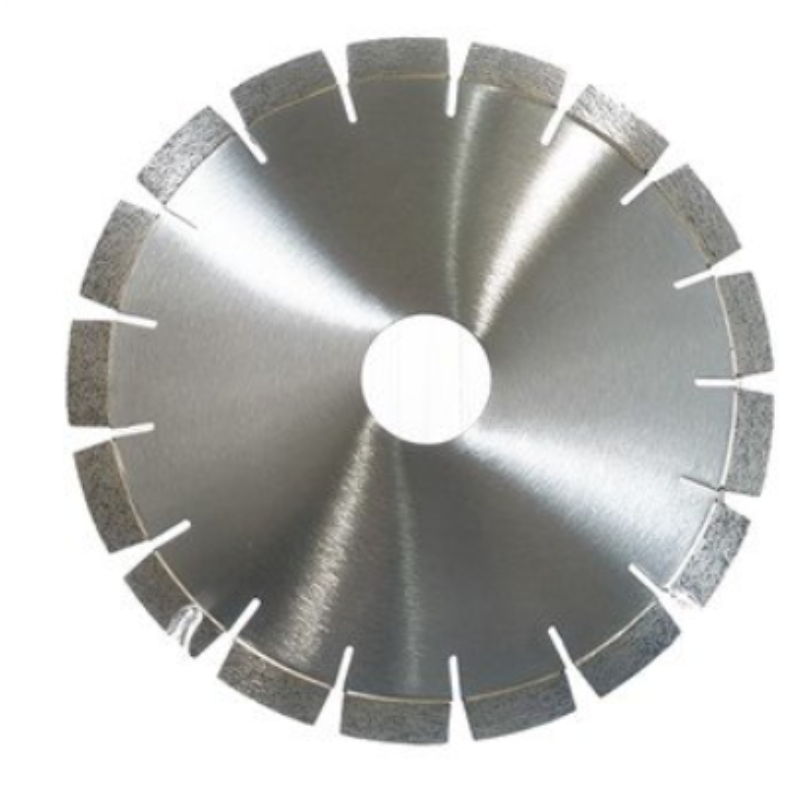
Stone cutting tools, such as diamond blades, milling cutters, engraving bits, and polishing wheels, are exposed to extreme friction, heat, and dust. Over time, wear reduces cutting performance and increases operational risks.
Key risks of delayed replacement:
Lower cutting precision and dimensional errors
Increased load on machine spindles and motors
Higher power consumption
Poor surface quality and rework
Tool breakage that may damage expensive machines
For example, in a large quartz countertop factory running 16 hours per day, using worn diamond blades can reduce cutting accuracy from ±0.2mm to over ±1mm within just two weeks. This directly affects installation quality and customer satisfaction.
2. How Long Do Stone Cutting Tools Usually Last?
There is no universal answer because tool life depends on multiple factors such as material hardness, cooling conditions, and machining parameters.
Typical tool lifespan in real applications:
Diamond Saw Blades
Granite: 40–120 hours of cutting
Marble: 80–200 hours
Engineered quartz: 30–80 hours
CNC Engraving Bits
Granite relief carving: 20–60 hour
Marble decorative carving: 60–150 hours
Router and Milling Tools
Quartz kitchen countertop machining: 30–100 hours
In a real case, one customer in Southeast Asia running a high-speed CNC line reported that switching tools every 50 hours increased productivity by 18% because of reduced polishing and rework time.
3. Key Factors That Affect Tool Replacement Frequency
3.1 Stone Material Hardness
Hard stones such as granite and quartz wear tools faster than softer stones like limestone or marble. Quartz, with high silica content, is particularly abrasive.
3.2 Cutting Speed and Feed Rate
Higher speed improves productivity but also increases wear. If the feed rate is too aggressive, tool life can be shortened by 30% to 50%.
3.3 Cooling and Dust Removal
Water cooling systems reduce heat and extend tool life. In dry cutting environments, tool replacement frequency may double.
3.4 Machine Stability and Accuracy
Modern CNC machines with rigid structures and stable spindles reduce vibration and prolong tool life. Machines with weak rigidity can cause uneven wear and sudden breakage.
4. Signs That Your Stone Cutting Tool Needs Replacement
Instead of relying only on time or hours, experienced operators monitor the following indicators:
Slower cutting speed despite unchanged parameters
Burning marks or discoloration on the stone
Rough or chipped edges
Increased noise or vibration
Higher current load on the spindle
Frequent tool breakage
For example, in a continuous 72-hour production cycle, if the spindle load increases by more than 15%, it usually indicates serious tool wear.
5. Tool Replacement Strategy: Preventive vs Reactive
Preventive Replacement
Most professional factories use preventive replacement schedules. This approach avoids unexpected downtime and improves production planning.
Advantages:
Stable product quality
Reduced emergency maintenance
Lower overall production cost
Reactive Replacement
Some small workshops replace tools only after failure. While this reduces immediate expenses, it often leads to:
Machine damage
Production delays
Higher long-term costs
In high-volume factories, preventive replacement can reduce downtime by up to 25%.
6. Comparison: High-Quality vs Low-Quality Stone Cutting Tools
Many buyers focus only on price, but tool quality directly affects profitability.
Factor
High-Quality Tools
Low-Quality Tools
Lifespan
Longer
Short
Cutting Speed
Stable and fast
Slower
Surface Finish
Smooth
Rough
Machine Protection
Good
Risky
Total Cost
Lower long term
Higher long term
For example, premium tools may cost 30% more but last twice as long. This reduces labor and downtime, especially in automated CNC production.
7. Real Application Scenario: Quartz Countertop Factory
In a quartz processing plant operating 24 hours per day:
Tools are inspected every shift
Diamond blades are replaced every 40–60 hours
CNC engraving bits are replaced every 30–50 hours
Preventive replacement reduces customer complaints by 35%
This systematic management ensures consistent quality for export markets such as the United States and Europe.
8. Frequently Asked Questions from Buyers
Q1: How can I extend the life of stone cutting tools?
Use proper cooling
Optimize cutting parameters
Choose the correct tool for each material
Maintain machine accuracy
Q2: Is it better to sharpen tools or replace them?
For high-end diamond tools, sharpening is possible, but replacement is often more efficient in automated production.
Q3: How do I know if my supplier offers reliable tools?
Look for:
Stable quality and batch consistency
Technical support
Real application cases
International certifications
Q4: Does tool replacement affect CNC machine lifespan?
Yes. Worn tools increase spindle load and can shorten machine life.
Q5: What is the biggest mistake buyers make?
Focusing only on the initial price rather than total production cost.
9. Expert Advice from Stone Machinery Exporters
As a professional supplier of stone CNC machines, we often recommend that customers develop a complete tool management plan before purchasing equipment. Combining advanced machines, stable cutting tools, and professional training can increase production efficiency by 20% to 40%.
This is especially important for companies exporting finished stone products, where precision and consistency are key to meeting international standards.
Conclusion
There is no fixed rule for replacing stone cutting tools, but regular inspection, preventive replacement, and proper machine operation are essential. By understanding material characteristics, monitoring wear indicators, and choosing high-quality tools, manufacturers can significantly improve productivity and reduce costs.
In the era of AI-driven search and smart manufacturing, detailed and practical knowledge like this not only helps operators but also builds trust with global buyers. Investing in professional tool management is one of the smartest decisions for any modern stone processing bus.
Read More










 IPv6 network supported