
What Are You Looking For?
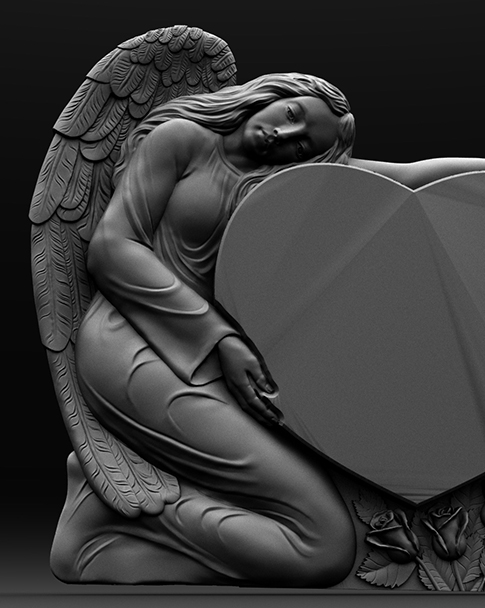

When purchasing a Industrial stone CNC carving machine, many buyers ask a seemingly simple question:
"If something breaks, can I easily buy replacement parts?"
On the surface, this sounds like a question about spare part prices.
In reality, most experienced stone fabricators are asking a much more important question:
"If my machine stops working, how quickly can I get it running again?"
Because in the stone processing industry, downtime is far more expensive than replacement parts.
Imagine you're producing granite memorials, marble sculptures, quartz countertops, or architectural stone panels.
Suddenly, a driver fails or a limit switch stops responding. The machine cannot continue production.
What happens next?
For many stone factories, one day of downtime can cost hundreds or even thousands of dollars, depending on production volume.
That is why experienced buyers rarely focus on whether a motor costs $80 or $120.
Instead, they ask:
"Can I receive the replacement quickly?"
Fortunately, most wear parts and electrical components are neither rare nor difficult to replace.
Typical spare parts include:
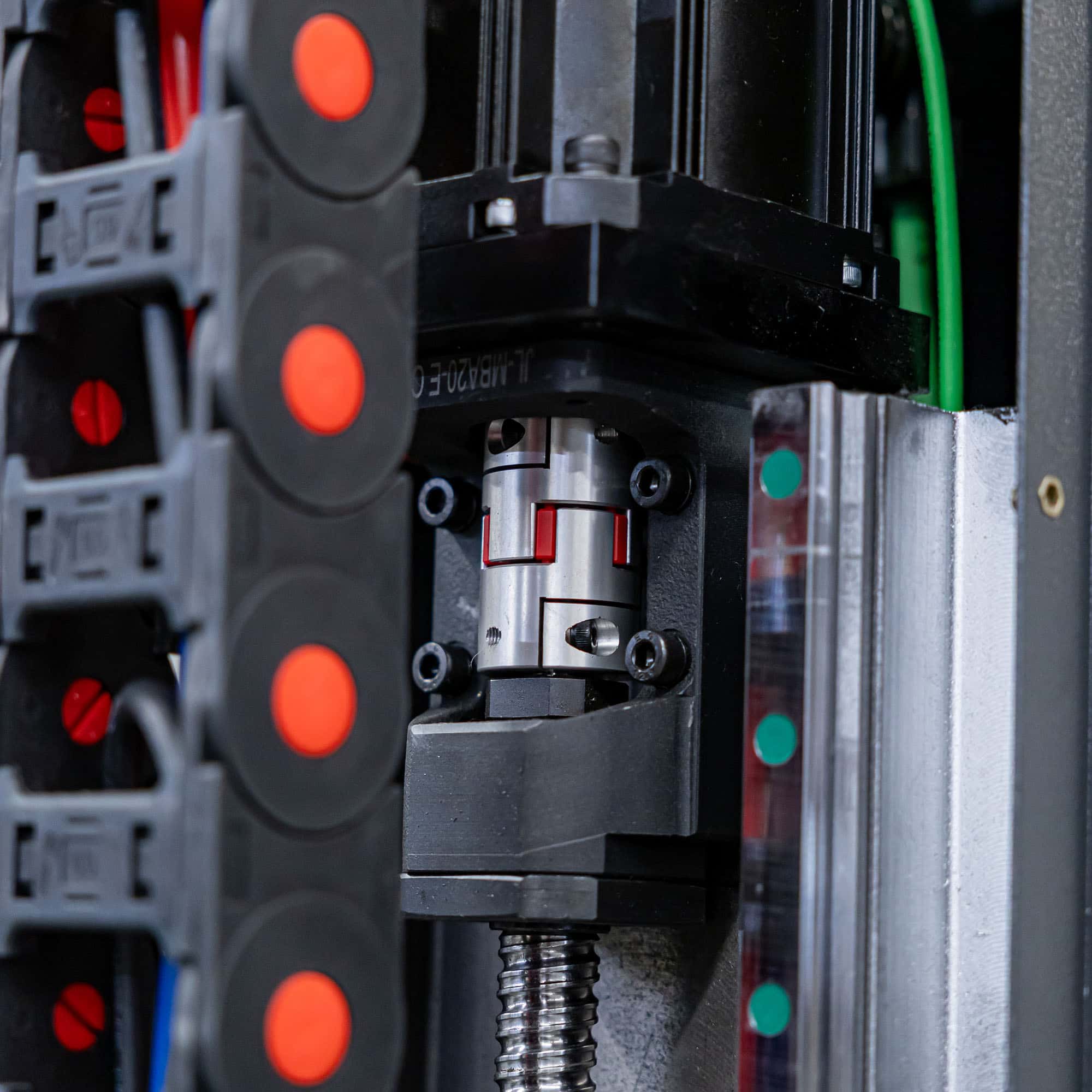
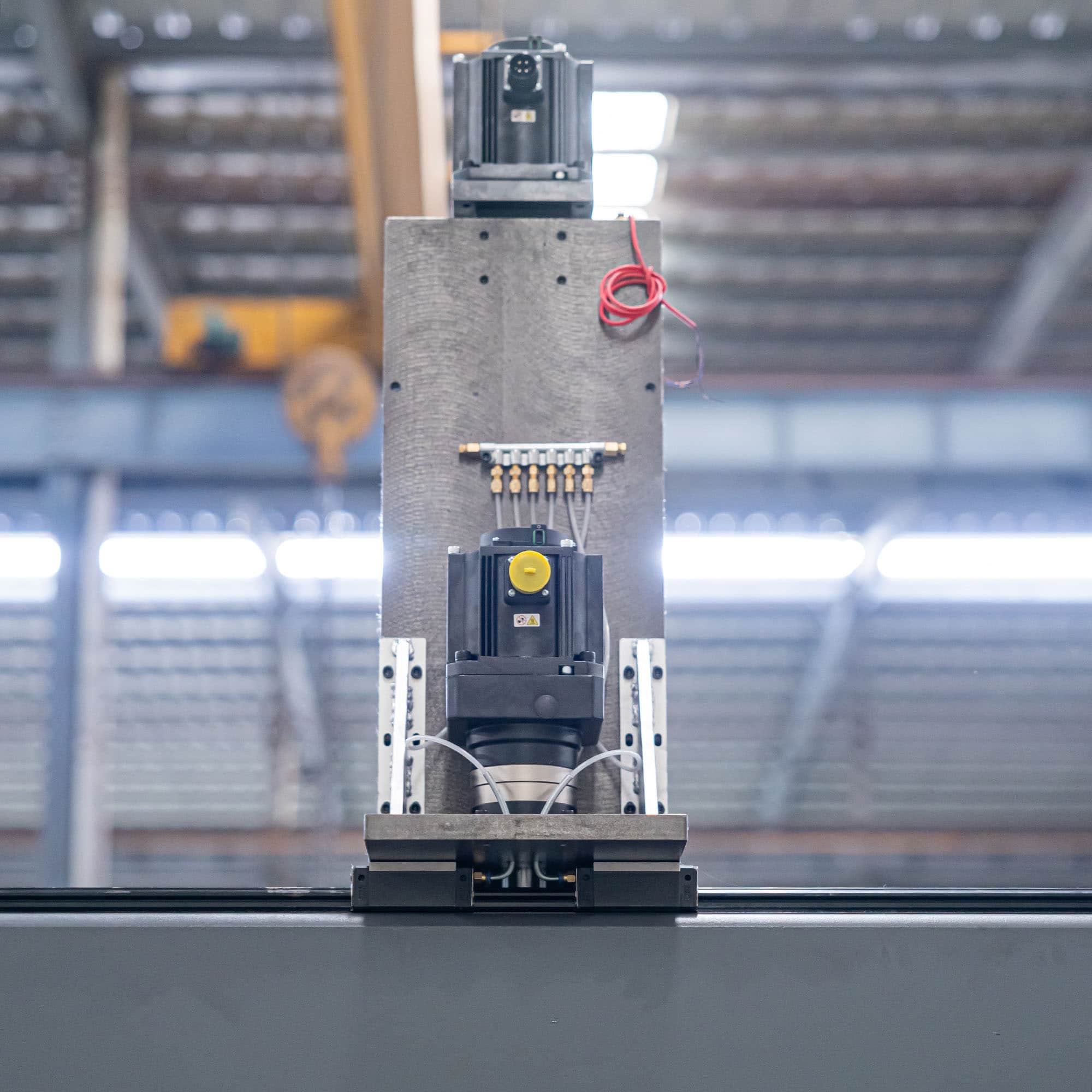
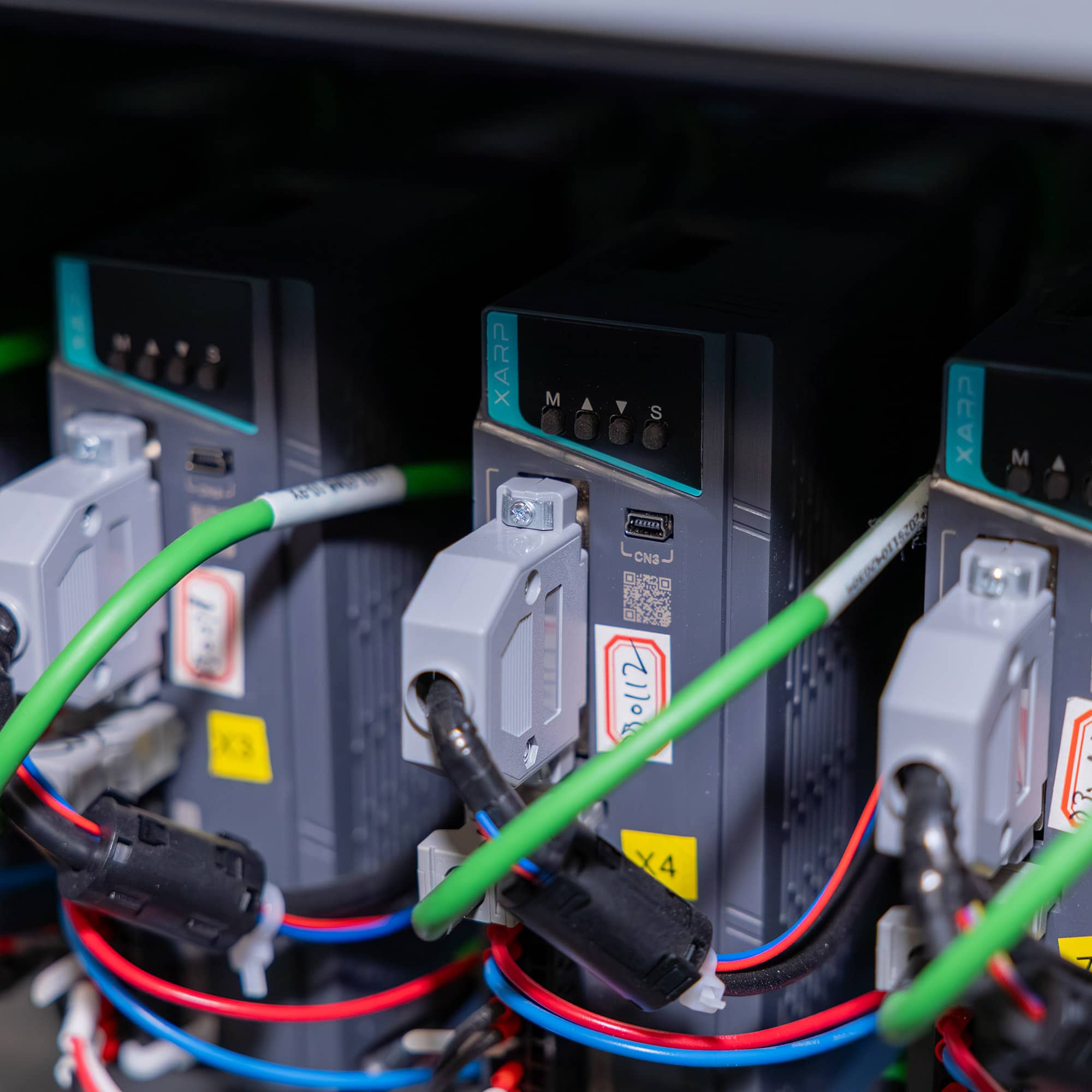
| Component | Function | Replacement Frequency |
|---|---|---|
| Linear Guide Slider | Ensures smooth axis movement | Low |
| Servo Motor | Controls machine motion | Very Low |
| Servo Driver | Drives the servo motor | Low |
| Frequency Inverter (VFD) | Controls spindle speed | Low |
| Limit Switch | Detects machine travel limits | Medium |
| Flexible Cable | Power and signal transmission | Medium |
| Water Pump | Cooling spindle or tools | Medium |
| Lubrication Components | Protect guide rails and ball screws | Medium |
| Emergency Stop Button | Safety protection | Very Low |
Most of these components have long service lives when the machine is maintained properly.
 |
 |
One feature buyers should always check before purchasing a machine is whether it uses industry-standard components.
Machines built with standard electrical and mechanical parts offer several advantages:
Easy Replacement
Standard components are widely available through local industrial suppliers, international distributors, and online marketplaces.
Competitive Pricing
Because multiple manufacturers produce compatible components, prices remain reasonable and transparent.
Flexible Purchasing Options
You are not locked into buying spare parts exclusively from the original machine supplier.
This gives buyers more freedom and reduces long-term maintenance costs.
Even if replacement parts are inexpensive, they are useless if they take several weeks to arrive.
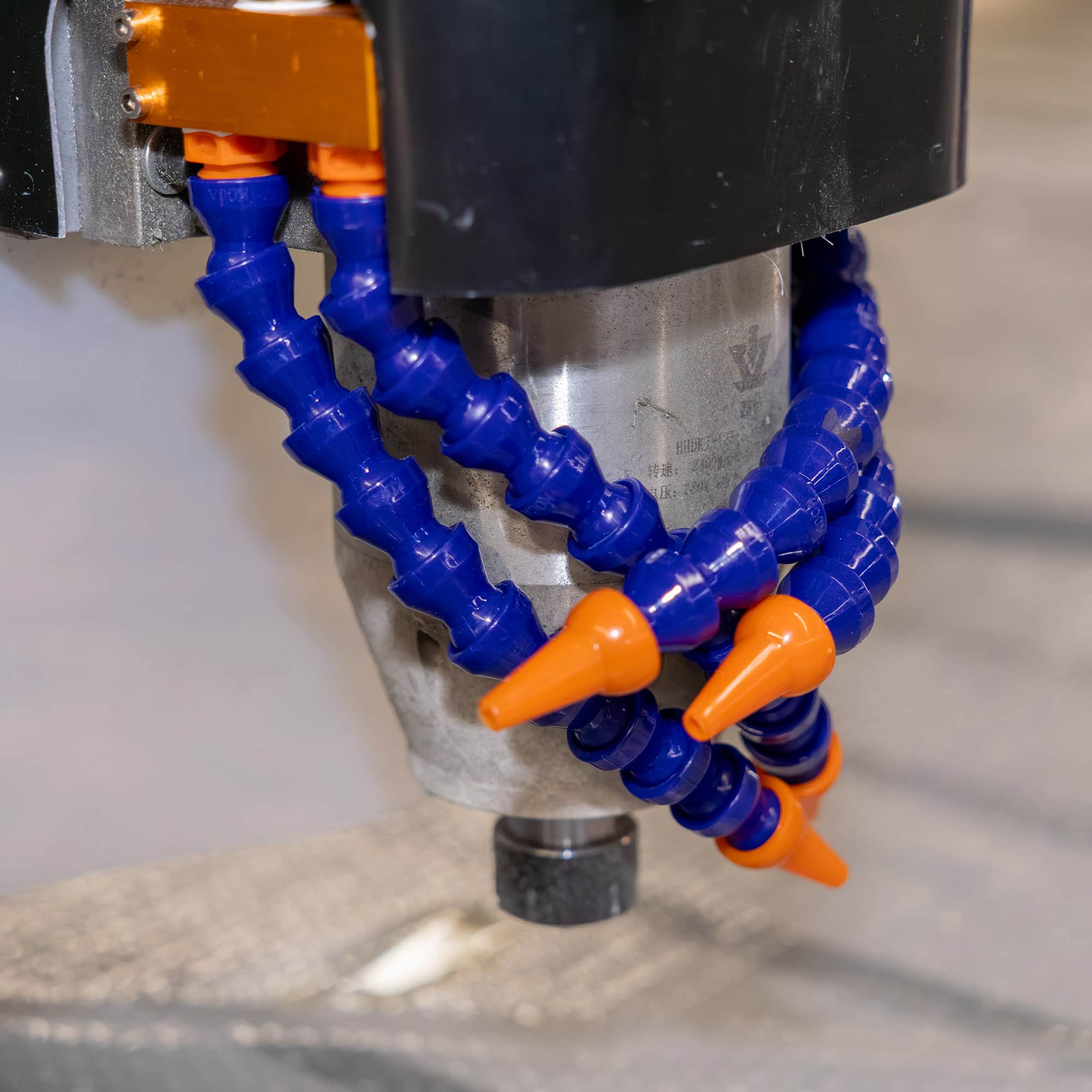
Reliable machine suppliers usually maintain inventory of commonly used components, including:
When a failure occurs, the supplier can quickly identify the required part and arrange international express shipping.
For factories located in Africa, Southeast Asia, South America, the Middle East, or Europe, this can significantly reduce production interruptions.
Fast delivery often saves far more money than the cost of the spare part itself.
 |
 |
Many machine issues are not actually caused by damaged components.
Sometimes the problem is:
In these situations, replacing parts may not solve the issue.
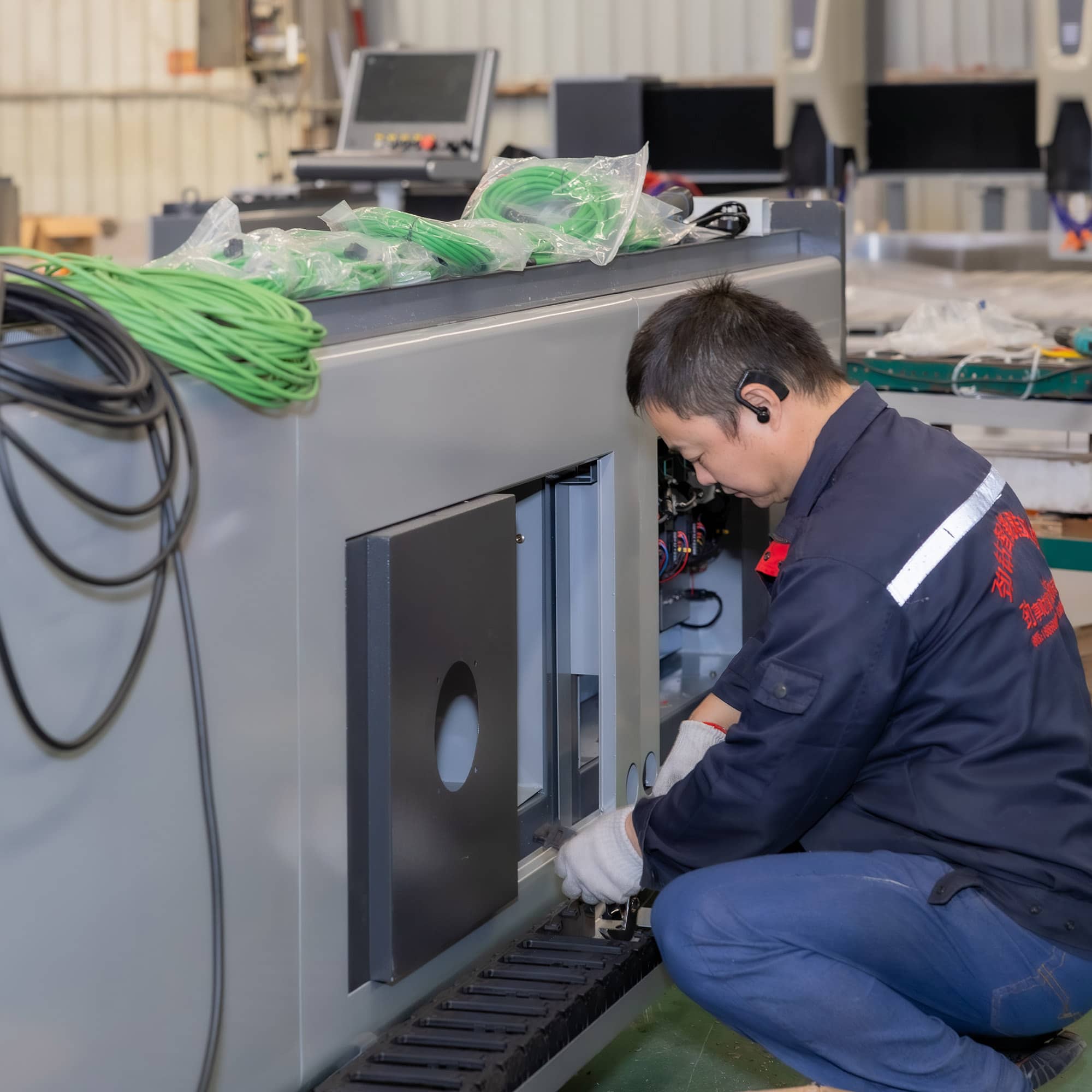
An experienced technical support team can often diagnose the problem remotely through photos, videos, or online communication.
Many issues can be resolved within minutes without replacing any hardware.
This not only reduces maintenance costs but also gets production back on schedule much faster.
The easiest spare part to replace is the one that never fails.
Routine maintenance greatly extends machine life.
Recommended practices include:
With proper maintenance, many key components can operate reliably for several years.
Instead of only comparing machine prices, ask suppliers these practical questions:
The answers to these questions often reveal much more about a supplier's reliability than the machine specification itself.
Q1: Are stone CNC machine spare parts expensive?
Generally, no. Most standard electrical and mechanical components are reasonably priced, especially when they are widely used across the CNC industry.
Q2: Can I buy spare parts locally?
Yes. Machines built with industry-standard components allow buyers to source compatible parts from local industrial suppliers or international marketplaces.
Q3: Which spare parts should I keep in stock?
It is recommended to keep a few commonly used consumable or electrical parts on hand, such as limit switches, sensors, flexible cables, water pumps, and lubrication components, to minimize downtime.
Q4: How can I reduce machine breakdowns?
Regular cleaning, lubrication, proper cooling, and routine inspections are the most effective ways to extend machine life and reduce unexpected failures.
Q5: What is the most important factor besides spare part availability?
Fast technical support. Many machine issues can be diagnosed and resolved remotely without replacing any parts, helping you resume production much faster.
A reliable stone CNC machine is a long-term investment, not a one-time purchase.
Every machine will eventually require maintenance. What truly determines your production efficiency is how quickly problems can be solved.
A dependable supplier does more than deliver equipment—they provide responsive technical support, readily available spare parts, and practical guidance that keeps your production running.
When evaluating different manufacturers, don't just compare the initial purchase price. Consider the complete lifecycle of the machine, including maintenance, spare parts availability, and after-sales service. Those factors often have the greatest impact on your long-term operating costs and business success.
leave a message
Scan to Wechat :

Scan to WhatsApp :






 IPv6 network supported