
What Are You Looking For?


How to Train Workers to Use Stone CNC Machines
A Practical, Experience-Based Guide for Stone Factories and Importers
Training workers to operate stone CNC machines is not just about teaching buttons and software. In real stone factories, improper training often leads to tool breakage, material waste, safety risks, and unstable machining accuracy. Based on real-world factory applications, this guide explains how to build an effective, scalable, and safe training system for stone CNC machine operators.
1. Start with Application-Oriented Training, Not Software First
Many factories make the same mistake:
they start training from CNC software interfaces before workers understand what the machine is actually used for.
Correct Training Logic:
Train based on application scenarios, then introduce software.
Example applications in stone processing:
Why this matters for training:
When workers understand what kind of stone product they are making, they are more likely to:
In practical factory tests, operators trained with real product samples reduced tool damage by over 30% within the first month.
2. Step-by-Step Training Structure for Stone CNC Operators
A professional training program should be divided into clear stages, especially for new operators.
Stage 1: Machine Basics and Safety (Day 1–2)
Focus on:
 |
 |
Real factory scenario:
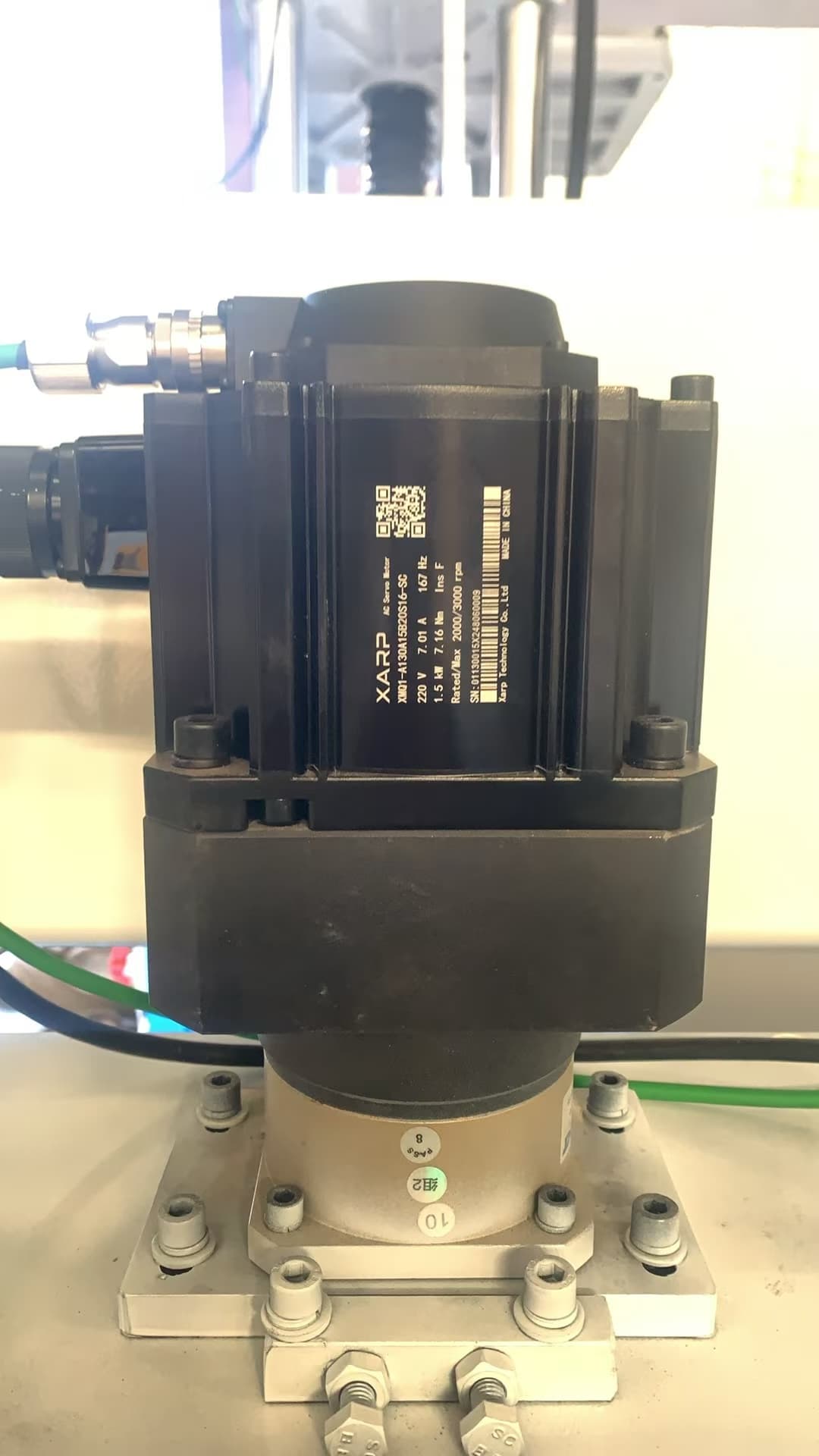
In wet stone cutting environments, improper cable protection can cause electrical failures within 3–6 months if workers are not trained correctly.
Stage 2: Manual Operation and Dry Run (Day 3–5)
Before full automation:
Best practice:
Require operators to complete at least 10 dry runs before real stone processing.
This reduces collision accidents by up to 70%, according to factory feedback.
Stage 3: Software + CAM Training with Real Files (Week 2)
Instead of demo files, use:

Teach workers:
Example comparison:
3. Comparing Skilled vs Untrained CNC Operators
| Aspect | Untrained Operator | Well-Trained Operator |
|---|---|---|
| Tool Life | 1–2 weeks | 1–2 months |
| Surface Finish | Uneven, chipping | Smooth, consistent |
| Material Waste | High | Low |
| Machine Downtime | Frequent | Minimal |
| Safety Incidents | Higher risk | Significantly reduced |
From a buyer’s perspective, training quality directly affects ROI, not just machine price.
4. Use Real Performance Data to Build Trust
Instead of saying “our machines are stable”, use measurable indicators in training:
These metrics help workers understand why correct operation matters.
5. Common Questions Buyers Ask About CNC Training
Q1: How long does it take to train a stone CNC operator?
Q2: Can workers without CNC experience learn stone CNC machines?
Yes. Many factories successfully train workers with no prior CNC background, as long as training is:
Q3: Why do some operators damage tools frequently?
Main reasons include:
Q4: Is on-site training better than online training?
Comparison:
Best solution: Combine both.
Q5: Does better training really reduce machine maintenance costs?
Yes. Factories with structured training systems report:
6. Final Thoughts: Training Is Part of the Machine Value
A stone CNC machine is only as good as the person operating it.
For importers and factory owners, training should be considered part of the investment, not an optional service.
Well-trained operators:
From a long-term perspective, training is one of the highest-ROI decisions in stone CNC processing.
leave a message
Scan to Wechat :

Scan to WhatsApp :






 IPv6 network supported