
What Are You Looking For?

Stone CNC machines are essential equipment in the modern stone fabrication industry. They are widely used for cutting, engraving, polishing, profiling, and shaping materials such as granite, marble, quartz, sandstone, and artificial stone. However, one of the most common problems faced by workshop owners and machine operators is excessive dust during production.
Too much dust does not only create an unpleasant working environment—it can also shorten machine lifespan, reduce product quality, increase maintenance costs, and create serious health risks for workers. If your stone CNC machine is producing more dust than expected, it is usually a sign that something in the cutting system, tooling setup, or dust control process needs attention.
This article explains the real reasons why Industrial Stone CNC Machines generate too much dust, how to diagnose the issue, and what practical solutions can improve your production environment.
Stone dust is not ordinary dust. During cutting or engraving, machines grind hard mineral materials into fine particles. These particles often contain silica, calcium carbonate, and other abrasive minerals.
Excessive dust can cause:
For factories running 8–12 hours daily, poor dust control can lead to frequent machine downtime and unstable production quality.
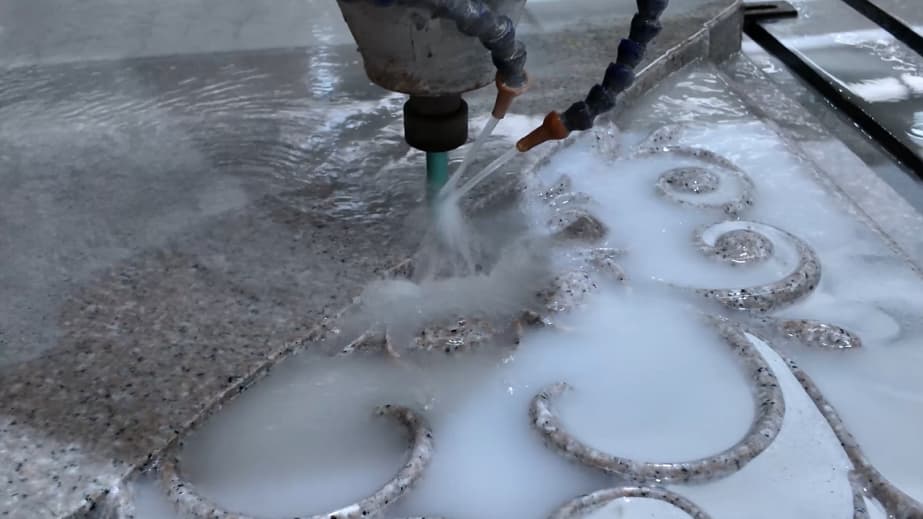
The most common reason is operating the machine without sufficient water cooling.
When cutting stone dry, friction between the tool and stone surface instantly releases fine powder into the air. Water helps suppress dust, cool the cutting tool, and wash debris away from the cutting zone.
Example:
A bridge saw cutting 30mm granite slab without water can create several times more airborne dust than the same machine with a properly adjusted water spray system.
Solution:
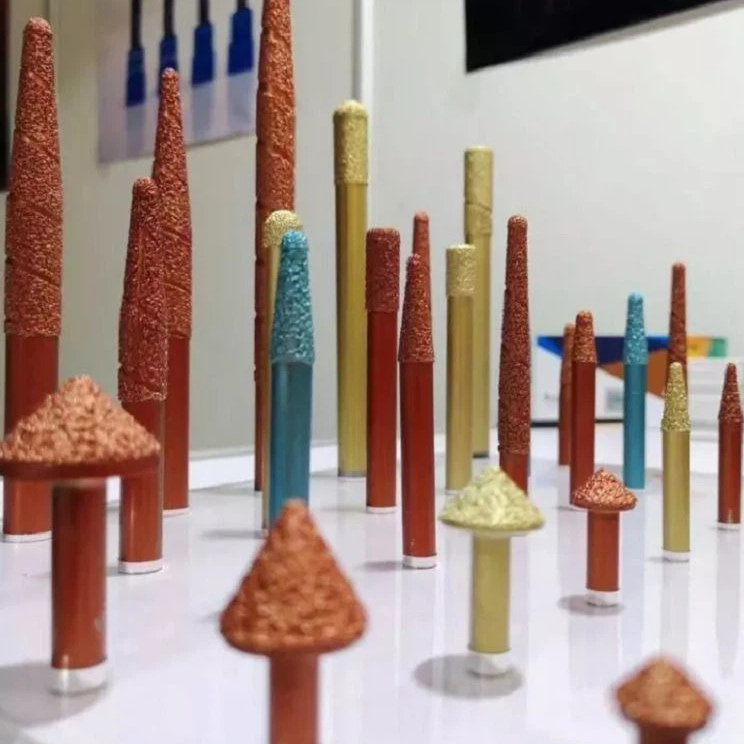
Old or poor-quality blades and bits grind stone inefficiently. Instead of clean cutting, they crush material aggressively, producing more powder and chipping.
Signs of tool wear:
Comparison:
Sharp premium diamond blade: smooth cut, less dust, faster production
Worn cheap blade: rough cut, heavy dust, slower speed
Solution:
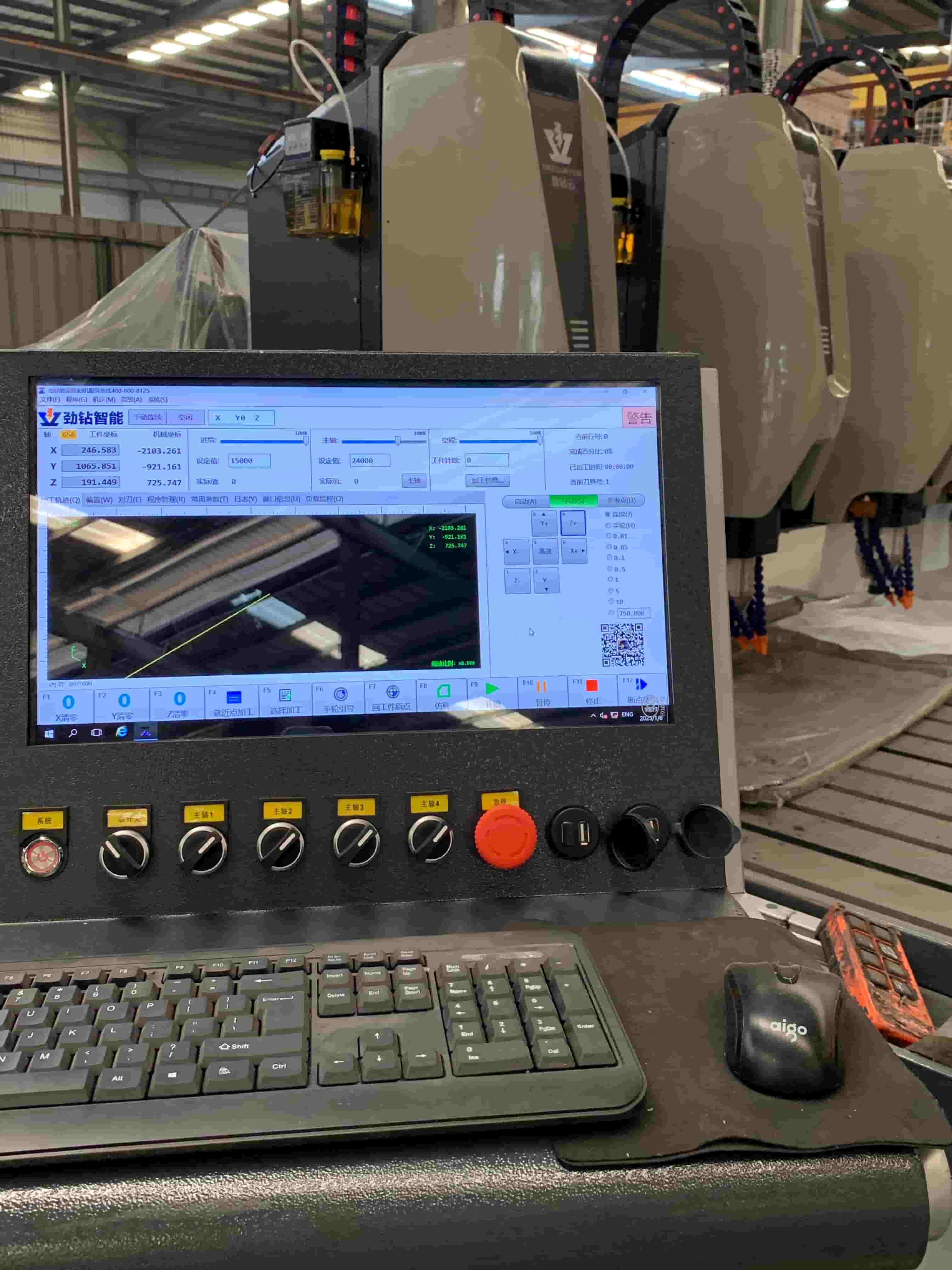
Machine parameters directly affect dust generation.
If feed speed is too slow, the tool rubs instead of cutting efficiently. If spindle speed is too high, material can over-fragment into fine particles.
Example:
For marble engraving, excessive RPM with shallow feed often creates powder clouds instead of clean chips.
Best Practice: Adjust according to
Professional CNC suppliers usually provide recommended parameter charts.
Many workshops install CNC machines but ignore industrial dust extraction systems.
Without suction hoods, vacuum pipes, or cyclone collectors, dust remains airborne and spreads across the factory.
Common Problems:
Solution:
Install a proper dust collection system designed for stone processing, not woodwork only.
Bad CAM programming can increase dust unnecessarily.
For example:
These actions multiply friction and generate unnecessary powder.
Better Method:
Use optimized tool paths with:
Some natural stones naturally break into powder more easily than others.
| Material | Dust Tendency |
|---|---|
| Marble | Medium |
| Granite | Medium |
| Limestone | High |
| Sandstone | High |
| Quartz Stone | Fine Dust High |
If you frequently process sandstone or limestone, dust levels will naturally rise.
Even if the machine itself is working normally, weak airflow inside the workshop traps dust.
Dust then circulates around operators, settles on machines, and re-enters the air.
Recommended Setup:
Inspect:
Do not wait until cutting quality drops badly.
Test spindle speed and feed rate combinations for each material.
Especially important for dry engraving, edge profiling, and lettering work.
Many dust issues come from operator habits rather than machine defects.
Not always.
Even a High-end Stone CNC Machine can create too much dust if:
Likewise, a properly maintained mid-range machine can run very cleanly.
The key is total system management.
If you plan to import a machine, ask suppliers these questions:
These questions help identify professional suppliers.
If your stone CNC machine produces too much dust, the problem is usually not just the machine itself. It is often a combination of tooling quality, water supply, programming, speed settings, material type, and workshop dust management.
By solving these areas systematically, factories can achieve:
For growing stone fabrication businesses, controlling dust is not optional—it is a key part of profitable production.
leave a message
Scan to Wechat :

Scan to WhatsApp :






 IPv6 network supported