How to Select the Right Spindle Power for Stone CNC Machines
Jun 16, 2026
When purchasing a stone CNC machine, many buyers focus on machine size, controller systems, or guide rails while overlooking one of the most critical components—the spindle.
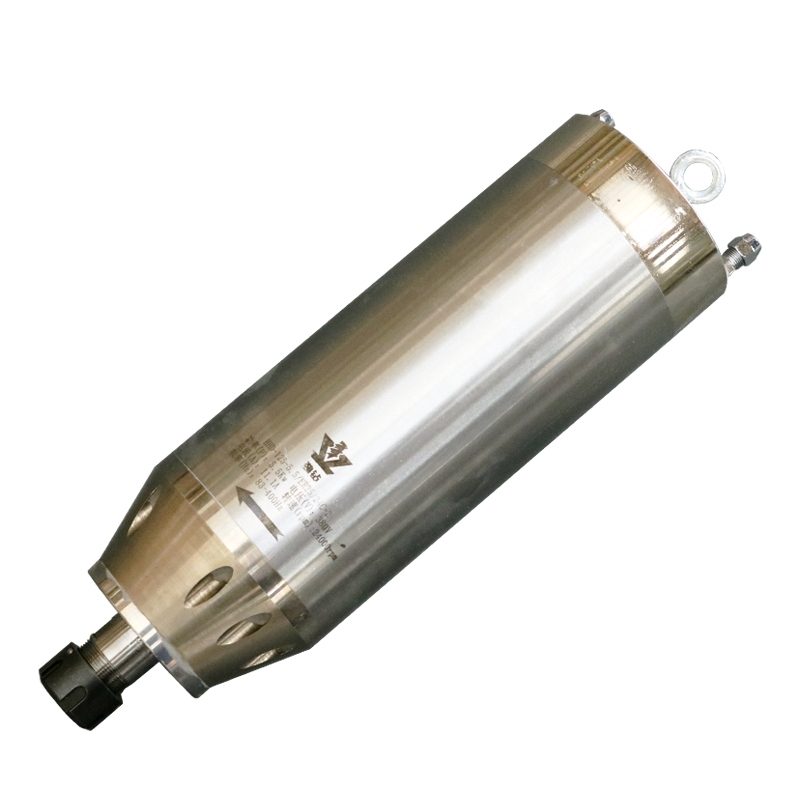
The spindle is the "heart" of a Industrial CNC Stone Machine. Its power directly affects cutting speed, engraving efficiency, tool life, surface finish quality, and even long-term operating costs.
Choosing a spindle that is too small can result in slow production, frequent overload alarms, and reduced productivity. On the other hand, selecting an oversized spindle may lead to unnecessary investment, higher electricity consumption, and increased maintenance costs.
So, how do you determine the right spindle power for your stone processing needs?
This guide explains the differences between spindle power options, practical application scenarios, and the key factors stone fabricators should consider before purchasing a CNC stone machine.
Why Spindle Power Matters
The spindle provides the rotational force that drives cutting tools, engraving bits, polishing tools, and milling cutters.
In stone processing applications, spindle power influences:
Material removal rate
Cutting depth capability
Tool lifespan
Surface finish quality
Processing speed
Machine stability under heavy loads
For example:
A 5.5kW spindle may successfully engrave granite lettering but struggle when performing deep 3D relief carving on dense black granite for 10 consecutive hours.
Meanwhile, an 11kW spindle can maintain stable torque and temperature under the same workload, reducing processing time by approximately 20%-35%.
For workshops operating continuously, spindle selection directly impacts production capacity.
Common Spindle Power Options for Stone CNC Machines
The most common spindle powers in the stone industry include:
Spindle Power
Typical Applications
3.0kW - 4.5kW
Light engraving, marble lettering, small crafts
5.5kW
Standard stone engraving and relief carving
7.5kW
Mixed carving and cutting operations
9.0kW
Heavy-duty granite processing
11kW
Industrial-scale carving and cutting
15kW+
Large-scale production and deep machining
Each option serves different production requirements.
Application Scenario Analysis
Scenario 1: Tombstone Manufacturing
Most tombstone factories process:
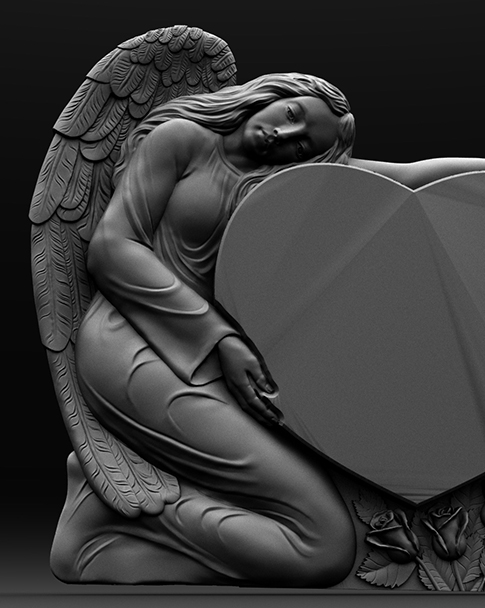
Portrait engraving
Letter carving
Decorative borders
Relief artwork
Common materials:
Granite
Black granite
G654 granite
India Black granite
Recommended spindle: 5.5kW to 7.5kW
Reason: These operations require precision rather than aggressive material removal.
A 5.5kW spindle can easily perform:
3D portrait engraving
V-groove lettering
Fine relief carving
while maintaining excellent detail quality.
Scenario 2: Architectural Decoration Production
Products include:
Stone wall panels
Decorative columns
Fireplace surrounds
Luxury hotel stone artworks
Materials:
Marble
Travertine
Limestone
Artificial stone
Recommended spindle: 7.5kW to 11kW
Reason: These projects often involve larger tools and deeper cutting depths.
For example: When carving a 2-meter marble column continuously for 48 hours, an 11kW spindle provides stronger torque and better thermal stability than a 5.5kW spindle.
Scenario 3: Granite Countertop Manufacturing
Operations include:
Sink cutouts
Edge profiling
Drilling
Slot milling
Recommended spindle: 9kW to 11kW
Reason: Granite is significantly harder than marble.
Higher spindle power helps maintain cutting efficiency while reducing tool wear.
In practical production environments, factories using 11kW spindles often achieve 20%-30% faster machining speeds than facilities using 5.5kW units on identical granite countertops.
Scenario 4: Large-Scale Stone Sculpture Production
Products include:
Garden sculptures
Religious statues
Monument sculptures
Urban landscape projects
Recommended spindle: 11kW to 15kW
Reason: These applications require extensive rough machining before fine finishing.
A high-power spindle removes large volumes of material more efficiently, significantly reducing roughing time.
For example: A 1.8-meter granite statue may require removing over 300kg of material during rough processing. An 11kW spindle can reduce rough machining time by several hours compared with a 5.5kW spindle.
Comparison: Low-Power vs High-Power Spindles
Factor
Low-Power Spindle (5.5kW)
High-Power Spindle (11kW)
Initial Cost
Lower
Higher
Energy Consumption
Lower
Higher
Granite Processing
Moderate
Excellent
Deep Relief Carving
Acceptable
Excellent
Tool Life
Average
Longer
Production Efficiency
Moderate
High
Continuous Operation
Limited
Strong
Industrial Production
Not Ideal
Recommended
The best spindle is not necessarily the most powerful one.
The best spindle is the one that matches your actual production requirements.
Key Questions to Ask Before Choosing Spindle Power
Before purchasing a stone CNC machine, answer these questions:
What materials will you process? Harder materials generally require higher spindle power.
How many hours will the machine run daily? For continuous industrial production, larger spindle power usually provides greater reliability.
What is your primary operation? Heavy cutting operations demand more spindle power than decorative engraving.
What are your future expansion plans? Selecting a slightly larger spindle today can prevent costly upgrades later.
Common Mistakes Buyers Make
Mistake 1: Choosing the Cheapest Option
Some buyers focus only on machine price.
A spindle that saves $500 initially may cost thousands in productivity losses over several years.
Mistake 2: Assuming Bigger Is Always Better
An oversized spindle increases:
Purchase cost
Electricity consumption
Maintenance expenses
without providing meaningful benefits for light-duty applications.
Mistake 3: Ignoring Material Hardness
A spindle suitable for marble may struggle significantly when processing dense granite.
Always choose based on the hardest material you expect to machine.
How Professional Stone Factories Select Spindles
Experienced fabricators usually follow this logic:
Mainly Marble + Light Engraving
→ 5.5kW Spindle
Mixed Marble and Granite Production
→ 7.5kW to 9kW Spindle
Granite Countertops + Deep Carving
→ 11kW Spindle
Industrial Sculpture Production
→ 11kW to 15kW Spindle
This approach balances efficiency, cost, and long-term reliability.
Frequently Asked Questions
Q1: Is a 5.5kW spindle enough for granite?
Yes, for lettering, portrait engraving, and light relief carving. However, for heavy granite cutting or deep 3D carving, 7.5kW to 11kW is generally recommended.
Q2: Does higher spindle power always mean faster machining?
Not necessarily.
Machining speed also depends on:
Tool quality
Feed rate
Controller system
Machine rigidity
Cooling system
Spindle power is only one part of overall performance.
Q3: What spindle power is best for a stone engraving business?
For most engraving-focused workshops, a 5.5kW or 7.5kW spindle provides an excellent balance between cost and productivity.
Q4: How long can an 11kW spindle run continuously?
A high-quality industrial spindle with proper cooling can operate continuously for multiple shifts while maintaining stable performance.
Actual lifespan depends on maintenance, operating environment, and workload.
Final Thoughts
Selecting the right spindle power is one of the most important decisions when purchasing a Reliable Stone CNC Machine.
Instead of simply choosing the lowest-cost or highest-power option, evaluate:
Material type
Production volume
Processing depth
Daily operating hours
Future business expansion plans
For most stone fabrication shops, a 5.5kW to 11kW spindle covers the majority of production needs. Matching spindle power to your actual applications will improve efficiency, extend tool life, reduce downtime, and maximize return on investment.
A properly selected spindle is not just a machine component—it is a long-term productivity investment for your stone processing business.
Read More









 IPv6 network supported