
What Are You Looking For?

One Machine Finishes the Edge. A Complete Line Keeps the Slabs Moving.
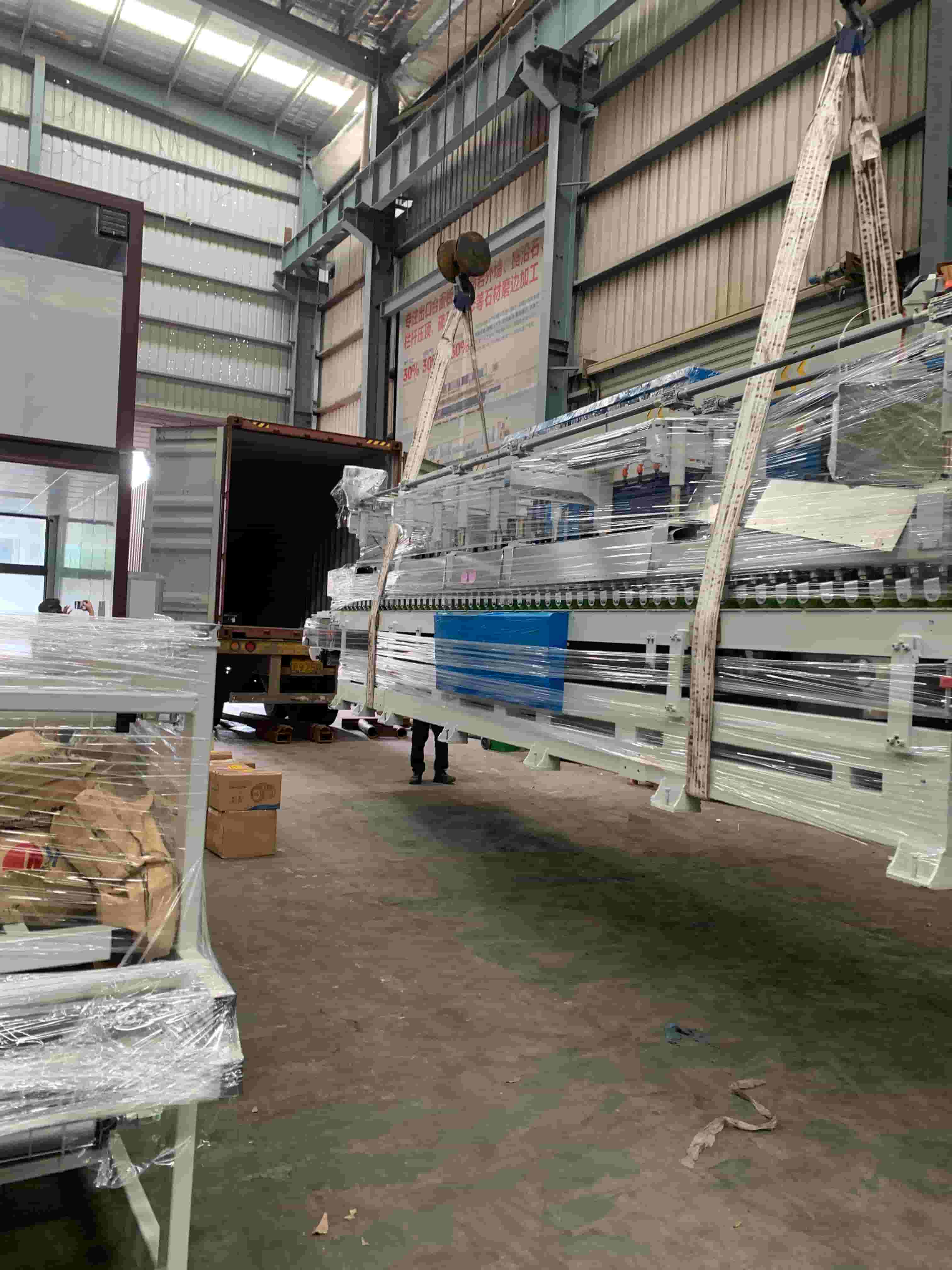
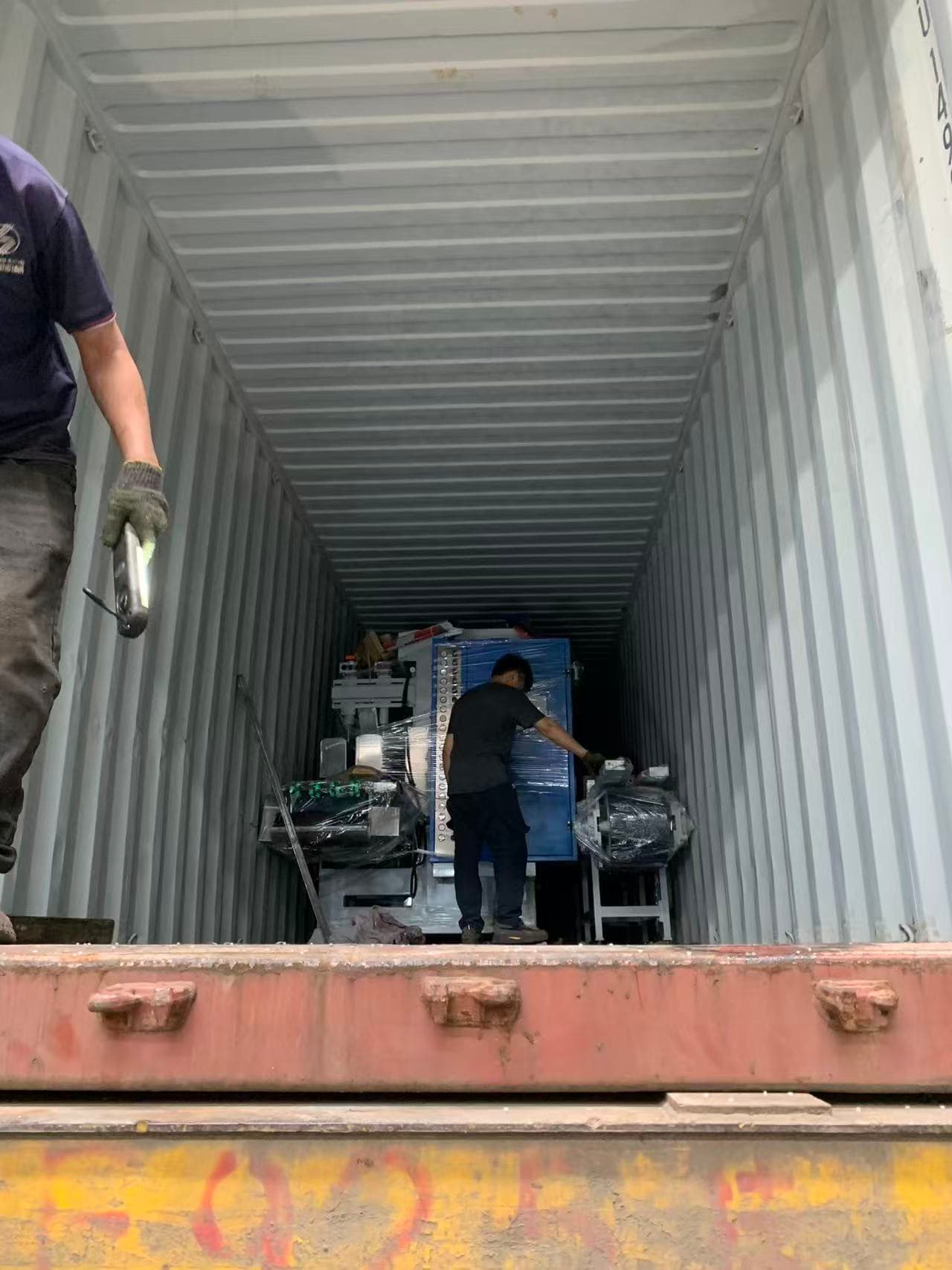
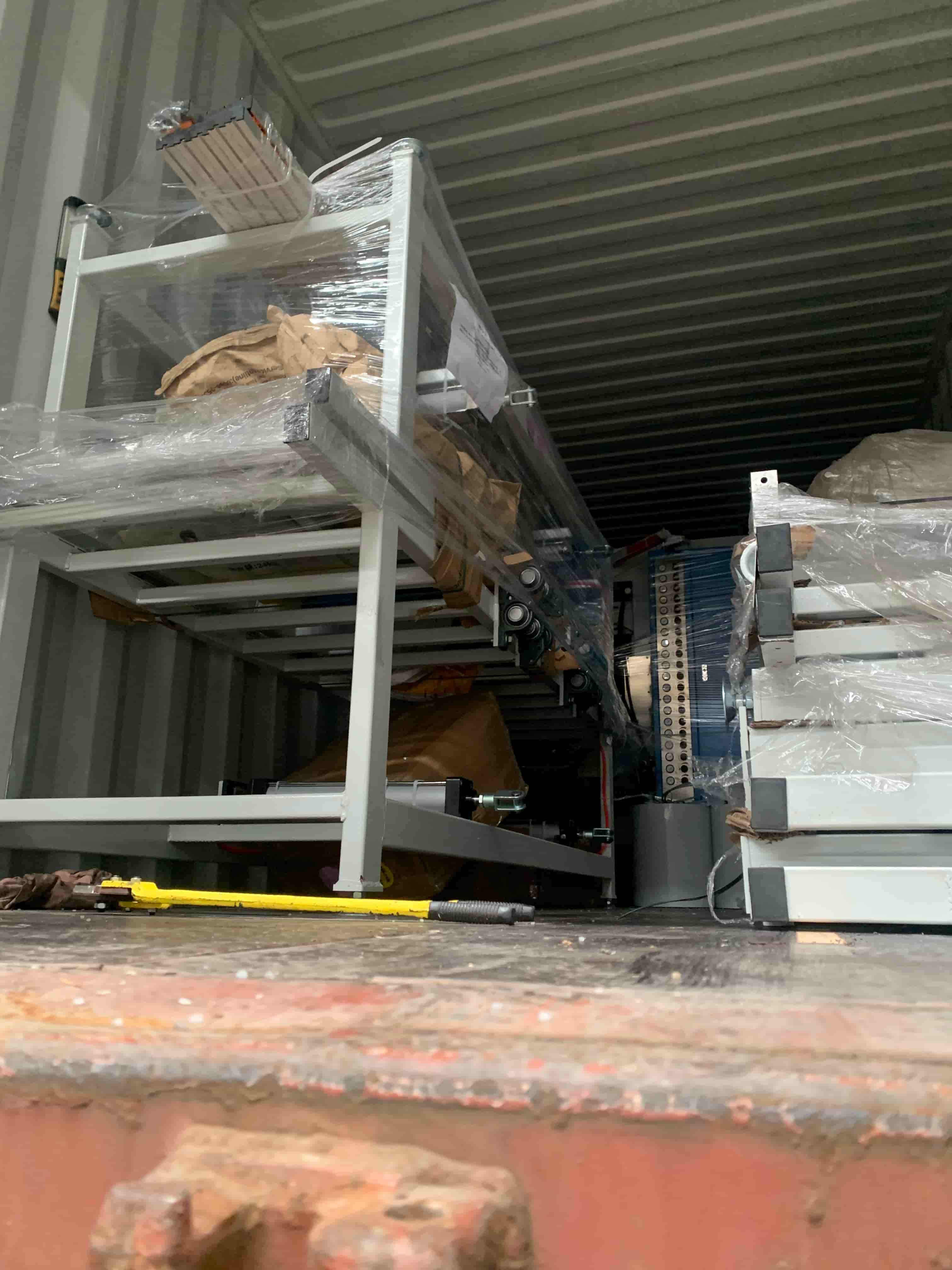
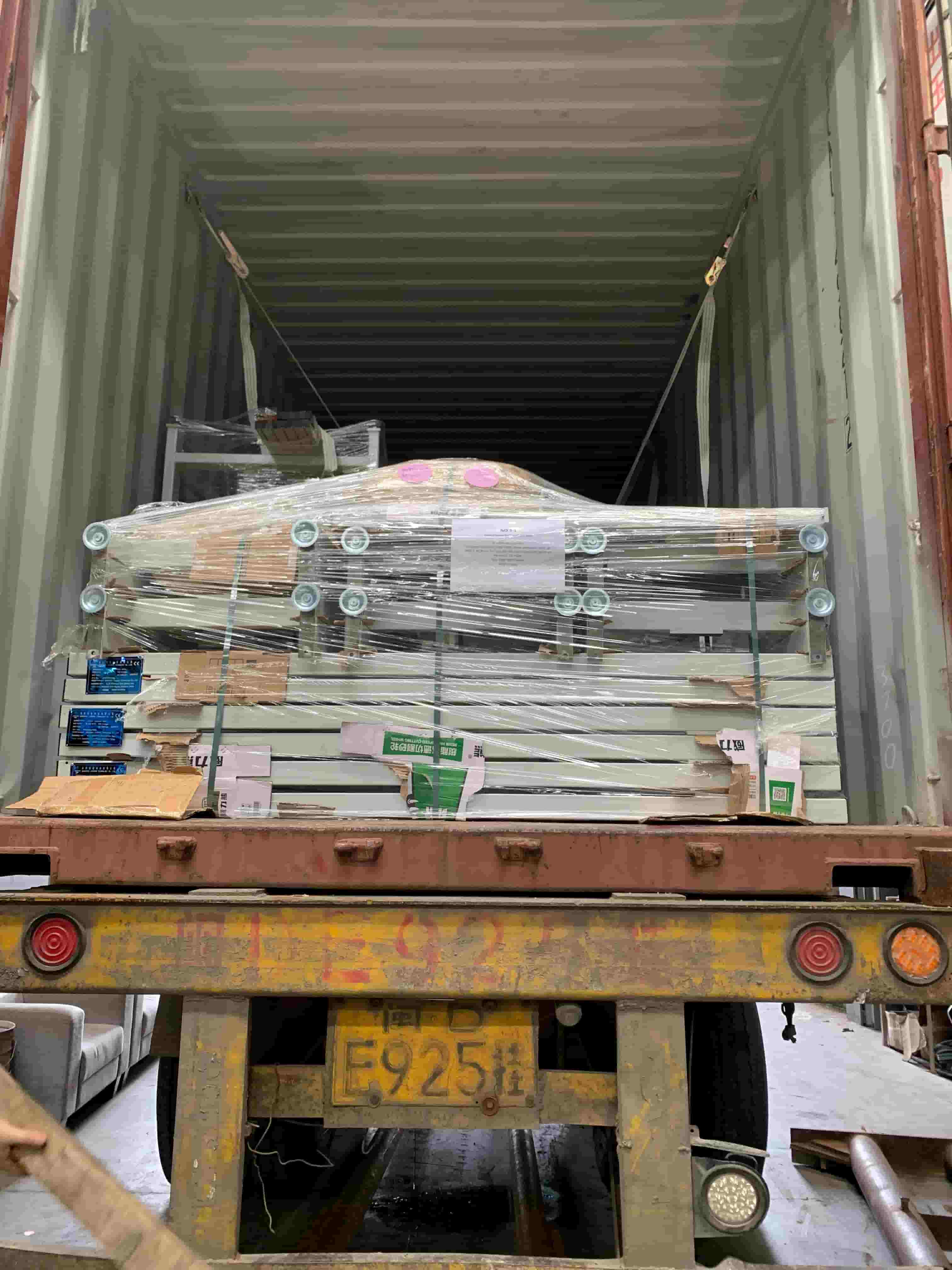
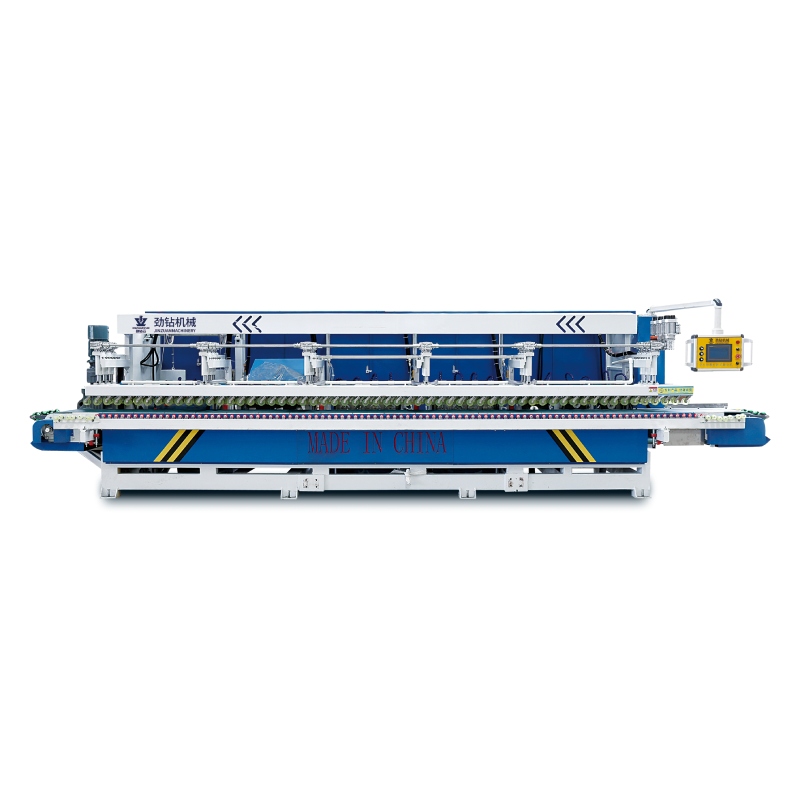
On August 28, 2026, Quanzhou Jinzuan Technology Co., Ltd. completed the export of one MB-22T-3015 22-Head Automatic Stone Edge Polishing Machine to Vietnam.
But this shipment was not simply about delivering a polishing machine.
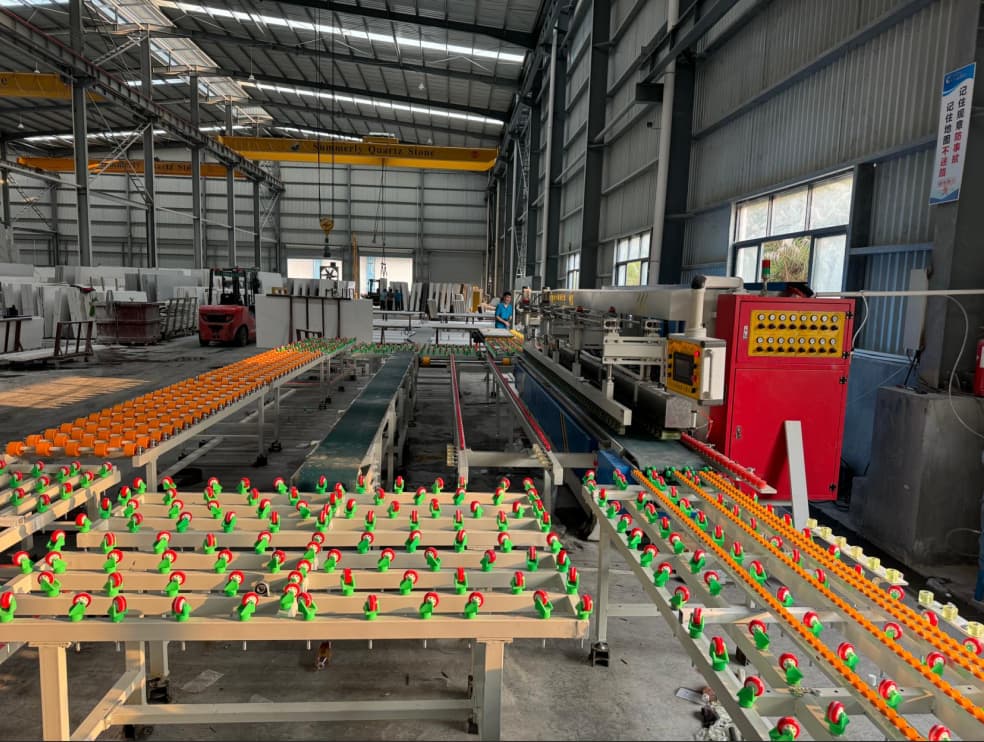
To improve the customer's overall material handling process, the project also included a complete slab return conveyor line, consisting of roller conveyor units designed to keep stone slabs moving between processing stages without repeatedly placing them on the floor.
This combination turns a conventional edge-polishing operation into a more continuous workflow:
Loading → Edge Polishing → Automatic Return → Next Processing Cycle
For stone processors handling large quantities of slabs every day, this seemingly simple change can make a significant difference in production organization, labor efficiency, and material handling.
Why 22 Polishing Heads Matter in Real Production
The MB-22T-3015 is configured with 22 polishing heads, making it suitable for production environments where edge finishing is a repeated, high-volume operation.
Instead of treating edge polishing as an isolated process, the machine can be integrated into a broader production line for materials such as marble, granite, quartz, and other stone slabs.
Typical Applications
The Hidden Bottleneck: What Happens After Polishing?
For many stone factories, the polishing machine itself is not necessarily the only bottleneck. A common workflow looks like this:
Polishing → Remove Slab → Place on Floor → Reposition → Pick Up Again → Next Process
Every additional handling step means more labor and more opportunities for scratches, collisions, or inefficient use of workshop space.
That is why the Vietnamese customer selected a return conveyor system together with the MB-22T-3015.
The conveyor rollers provide a dedicated path for slab movement, helping keep processed slabs within the production flow instead of repeatedly putting them down on the workshop floor.
Machine Only vs. Integrated Handling Solution
| Conventional Setup | Integrated Jinzuan Solution |
|---|---|
| Stone slabs are manually moved after processing | Slabs can move through a dedicated roller conveyor path |
| More floor handling | Less unnecessary floor placement |
| Additional manual repositioning | Smoother material transfer |
| Processing and material handling are separated | Polishing and conveying are considered as one workflow |
| Suitable for basic production layouts | Better suited to organized production-line layouts |
The key idea is simple: Don't optimize only the machine. Optimize what happens before and after the machine.
From “A Machine” to “A Production Workflow”
This Vietnam shipment reflects a practical approach we increasingly see in stone-processing projects: customers are not only asking “How powerful is the machine?”
They are also asking:
For this reason, equipment selection should consider the entire processing workflow, not just the main machine. The MB-22T-3015 and return conveyor system demonstrate how a polishing machine can become part of a more organized stone production line.
Why This Project Is Different
01. 22-Head Edge Polishing Configuration
The MB-22T-3015 uses a 22-head configuration for repeated edge polishing operations, making it a production-oriented solution rather than a machine intended only for occasional processing.
02. Integrated Return Conveying
The additional roller conveyor system creates a dedicated material-transfer route, helping reduce repeated manual movement between processing stages.
03. Less Floor-Based Handling
Keeping slabs on the conveying system wherever the production layout allows can reduce unnecessary lifting, temporary placement, and repositioning.
04. Workflow-Oriented Equipment Selection
The project was designed around the customer's actual production process rather than focusing on a single machine in isolation.
What Should You Consider Before Buying a Stone Edge Polishing Machine?
Choosing the number of polishing heads is only one part of the decision. A more useful evaluation should include production volume, stone type, edge requirements, workshop layout, material handling, and future expansion plans.
22 Heads vs. Fewer Polishing Heads
| Factor | Fewer Heads | 22-Head Configuration |
|---|---|---|
| Production positioning | Small or flexible operations | Higher-volume production |
| Repeated edge processing | Moderate | Stronger fit for continuous workflows |
| Process integration | Usually simpler | Suitable for production-line integration |
| Material handling demand | Often manageable manually | Conveyor integration becomes more valuable |
| Best consideration | Initial investment and flexibility | Throughput and production organization |
The right configuration depends on the customer's actual production requirements. More heads are not automatically better for every factory; the correct machine is the one that matches the required output and process. This is also why technical communication before purchase matters.
From Vietnam to the Next Production Line
The August 28 shipment to Vietnam is another example of Jinzuan Technology's equipment moving beyond a single-machine concept toward complete stone-processing solutions.
The MB-22T-3015 22-head stone edge polishing machine provides the core edge-finishing capability, while the accompanying return conveyor line addresses the material-handling process around it.
For stone factories looking to improve edge polishing efficiency, reduce unnecessary slab movement, and build a more organized production workflow, this combination offers a practical direction to consider.
 |
 |
 |
 |
leave a message
Scan to Wechat :

Scan to WhatsApp :






 IPv6 network supported